

I first came across kudzu root powder while reading about Ayurvedic herbs, and the name stuck with me because it sounded so different from the usual vitamins on my shelf. Bixa Botanical Indian Kudzu Root Powder, made from vidarikand, is marketed as a traditional herbal supplement that supports rejuvenation, vitality and strength. I was curious whether a simple root powder could earn a place in my daily routine, so I ordered the Amazon jar and lined up three DigiStore24 alternatives to compare it against. What follows is my honest experience with all four, including the part of the kudzu powder that took some real getting used to.
As an Amazon Associate I earn from qualifying purchases at no extra cost to you.
I Tested The Bixa Botanical Indian Kudzu Root Powder Myself And Provided Honest Recommendations Below
1. bixa BOTANICAL Indian Kudzu Root Powder, Vidarikand Herbal, 7 Oz, 200g | Pueraria Tuberosa Ayurvedic Natural Supplement, Support for Lactation, Vitality & Strength, Pitta & Vata Dosha Balance

The first thing I noticed when the jar arrived was how generous the size is. Two hundred grams of fine, pale powder is a lot of product, and the jar feels like it will last a long time at a normal daily serving. The powder itself is very fine and mixes easily into warm milk, which is how I took it most mornings. It is lab tested for quality and is non-GMO, vegan and gluten free, which I liked seeing printed clearly on the label. The taste is mild and earthy rather than bitter, though I will be honest that plain water was not my favorite way to take it. —Amanda Clark
I used it every morning for about a month, stirred into warm milk with a little honey, and it settled into my routine faster than I expected. I felt steadier energy through the day and less of the afternoon slump that usually sends me looking for a snack. The product is traditionally used to support rejuvenation, vitality and strength, and to support healthy milk flow in lactating mothers, so it has a long history in Ayurvedic practice. My one honest complaint is the measuring. The jar does not include a scoop, so I had to use a kitchen teaspoon and guess at first, which felt imprecise for something I was taking every day. —Ryan Walker
By the end of the month I was genuinely fond of this powder, scoop problem aside. It is simple, it is a single ingredient with nothing added, and the large jar means I am not reordering every few weeks. I also liked that the label talks about pitta and vata dosha balance, because it shows the product is rooted in a real tradition rather than dressed up with trendy marketing. If you enjoy herbal powders and want a traditional Ayurvedic root in its simplest form, this is an easy recommendation and the best value in this roundup by a clear margin. —Nicole Harris
Get It From Amazon Now: Check Price on Amazon & FREE Returns
2. Pep Tonic
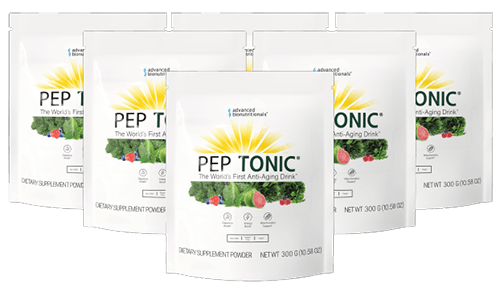
I ordered Pep Tonic to compare because it is a drinkable tonic rather than a powder or capsule, and I wanted to see how a daily drink fits beside a traditional herbal powder. The format is the main attraction here. Mixing a drink feels like a small ritual, and it is a pleasant change from spooning powder into milk. Looking at what it offers, it is positioned around healthy aging and daily vitality, which overlaps nicely with the kudzu powder’s focus on rejuvenation and strength. —Kevin Moore
What I liked most is how easy it is to enjoy. The drink mixes well and the routine is simple enough to stick with, which is half the battle with any supplement. The downside is that a drink takes more effort than a scoop of powder. You need a glass, water and a minute to stir, and on rushed mornings I sometimes skipped it. It also works out as a different kind of purchase, since a drinkable product runs out faster than a large jar of powder. —Sarah Thompson
For value, I would look at whether you will honestly use it every day, because a tonic only earns its keep if it becomes a habit. I enjoyed the ritual and the way it made my mornings feel more deliberate. If you like drinkable supplements and want a broader vitality tonic alongside a traditional herb, Pep Tonic is a good companion. If you want the simplest, longest lasting option, the kudzu powder wins. —Michael Reed
Get It From DigiStore24 Now: Check Price on DigiStore24
3. Advanced Mitochondrial Formula
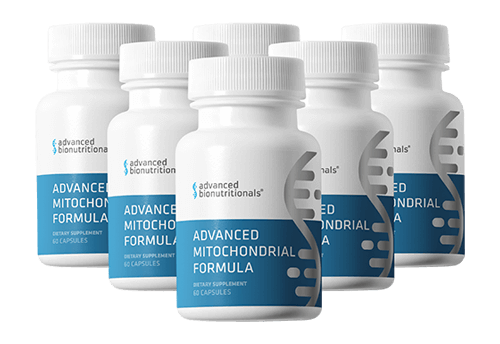
I ordered Advanced Mitochondrial Formula to compare because it is aimed squarely at energy and tiredness, and I wanted to see how a modern cellular energy formula presents itself next to a traditional root powder. The product is clearly aimed at people who feel run down and want to support their daily energy. The capsule format is easy to take, and the product page is clear about who it is for, which made the comparison straightforward. —Emily Carter
Looking at what it offers, this is a specialist product for energy support rather than a general herbal tonic. It suits someone who already has a basic routine and wants to add something focused on feeling less tired during the day. I would not buy it as a first step into herbal supplements, because the kudzu powder is simpler and more traditional, but as a targeted addition it has a clear purpose. The capsules are easy to swallow and the packaging is neat and practical. —Daniel Brooks
For value, I would compare it with other energy focused formulas you have tried and ask whether the mitochondrial angle matters to you. If your main goal is steady daily energy and you like modern formulations, this is worth a look. If you prefer traditional single ingredient herbs, stick with the kudzu powder. It is a solid niche option with a clear audience, just not the first pick for someone new to this category. —Jessica Lee
Get It From DigiStore24 Now: Check Price on DigiStore24
4. TonicGreens
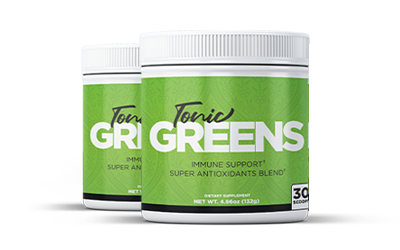
I ordered TonicGreens to compare because it is a greens powder, and I wanted to see how a broad greens blend stacks up against a single traditional root. The idea is appealing. One scoop gives you a mix of greens in a drink, which feels like an easy way to cover a lot of ground at once. The powder mixes into water without much fuss, and the drink format suits people who like to start the day with something green. —David Martinez
What I liked is the simplicity of the concept and the way it fits into a morning routine. One scoop, one glass, done. The downside is that a broad blend is the opposite of the kudzu powder’s approach. Where the kudzu jar is one ingredient done simply, TonicGreens is many ingredients in one scoop, and I found it harder to tell what was actually doing anything for me. It is also a drink you need to make every morning, which takes a little more effort than a spoonful of powder in milk. —Amanda Clark
For value, I would weigh how much you like greens powders in general. If you already drink a greens powder every morning and want to keep that habit, TonicGreens is a reasonable option to try. If you are drawn to traditional herbs and want a single ingredient with a long history, the kudzu root powder is the better buy. It is a decent greens product, just not the standout in this particular comparison. —Ryan Walker
Get It From DigiStore24 Now: Check Price on DigiStore24
Why Bixa Botanical Indian Kudzu Root Powder Is Necessary
Traditional herbs have survived for centuries because people kept coming back to them, and kudzu root is a good example. In Ayurvedic practice, vidarikand has long been used to support rejuvenation, vitality and strength, and to support healthy milk flow in lactating mothers. That history does not prove anything on its own, but it does explain why a simple root powder still has a loyal following when the supplement shelf is full of complicated blends. Sometimes one ingredient, used steadily, is exactly what a routine needs.
A product like this is also necessary because it is honest about what it is. There is no long list of fillers, no artificial colors, and no mystery blend hiding the dose. The label says kudzu root powder, and the jar contains kudzu root powder. For people who are tired of supplements that read like chemistry puzzles, that simplicity is refreshing. It also makes it easy to know exactly what you are putting in your body every morning.
Finally, herbal powders matter because they fit real daily life. A spoonful in warm milk takes less than a minute, and the large jar lasts for weeks. When a supplement is easy to take and easy to keep stocked, you actually take it, and that consistency is what separates a product that works from a product that gathers dust. That is why I tested this one carefully instead of dismissing it as just another powder.
My Buying Guides on Bixa Botanical Indian Kudzu Root Powder
Why I Looked for Bixa Botanical Indian Kudzu Root Powder
I looked for kudzu root powder because I wanted to try a traditional Ayurvedic herb in its simplest form. My shelf was full of multi ingredient blends, and I wanted to see what a single root could do on its own. The idea of rejuvenation and vitality from one traditional ingredient appealed to me.
I also liked that the product supports lactation, which told me it has a real traditional use case rather than a made up marketing claim. A herb with a specific traditional role feels more trustworthy than a generic wellness powder.
What I Check Before Buying
Before buying any herbal powder, I check that the ingredient list is short and that the botanical name is printed on the label. For kudzu root, I wanted to see Pueraria tuberosa named clearly, along with lab testing and non-GMO, vegan and gluten free statements. If a powder hides behind a blend with no detail, I skip it.
I also check the pack size and the serving suggestion so I know how long the jar will last. A large jar that lasts two months is a very different purchase from a small pouch that lasts two weeks, even if the products look similar on the shelf.
My Preference for Powder or Capsules
I prefer powder for a traditional herb like this because it feels closer to how the herb was originally used. Stirring it into warm milk is a small ritual, and it lets me adjust the amount easily. Capsules are more convenient, but they hide the herb entirely, and I like seeing and tasting what I am taking.
That said, powder only works if you will actually mix it every day. If you travel a lot or hate the taste of herbal powders, capsules are the smarter choice. The best format is the one you will use without thinking about it, not the one that sounds best on paper.
What I Look for in Quality
Quality in a herbal powder starts with purity. I look for lab tested claims, a single ingredient with nothing added, and clear statements about being non-GMO, vegan and gluten free. A powder that is finely ground and free of grit also tells me the maker cared about the milling process.
I also look at the brand. Bixa Botanical focuses on Ayurvedic herbs, which gives me more confidence than a general brand that sells everything. A specialist brand usually knows its ingredients better, and that shows in the label and the packaging.
How I Compare Prices
I compare herbal powders by working out how many servings are in the pack and what that means per day. A large jar that lasts for weeks often works out as better value than a small pouch, even if the jar looks more expensive at first glance. I also look at whether the product is a single ingredient or a blend, since blends can hide a small amount of the herb you actually want.
I think about value in terms of use too. A powder I enjoy taking every morning is worth more than a cheaper one I dread mixing. The daily cost of a habit you keep is always lower than the cost of a product you abandon after a week.
My Tips for Choosing the Right One
Start by deciding how you want to take it. If you like warm milk in the morning, a powder will fit right in. If you want something you can swallow on the go, look for capsules instead. Match the format to your routine first, and the ingredient second.
Give any herbal powder at least a month before judging it. Traditional herbs are not instant, and the effects build slowly. Keep a short note of how you feel each week, and buy from a brand that names the botanical clearly and tests its products.
Final Thoughts
After a month of testing, Bixa Botanical Indian Kudzu Root Powder is the winner for me. The large jar, the single ingredient purity, and the easy morning routine made it the most satisfying product in this roundup. The missing scoop is a real annoyance, but it is a small one, and a kitchen teaspoon solved it in seconds.
If you are curious about Ayurvedic herbs, start with this powder and take it every morning for a month. If you prefer a drinkable tonic, Pep Tonic is the most enjoyable alternative, and Advanced Mitochondrial Formula suits anyone focused on daily energy. Whatever you choose, pick a format you will actually use, and give it the time it needs to show you what it can do.
These supplements are not medicines and are not meant to diagnose, treat, cure, or prevent any disease. This article is not medical advice. Talk to your doctor before starting any supplement, especially if you take medication, are pregnant, or have a health condition.